
Ever have one of those moments where you’re sitting in your car, pressing the button, and your garage door just… stares back at you? No movement, no sound, just the quiet judgment of a large, immovable object. We’ve all been there, and let’s be honest, it never happens at a convenient time. Suddenly, the most utilitarian part of our New Jersey home becomes the center of our universe. Is it the springs? The track? Those finicky sensors? And more urgently, who do you call to fix it without getting a heart attack from the price?
Well, take a deep breath. We’re about to walk through everything you need to know about garage doors—from those panic-inducing repairs to the exciting world of a new installation. And since we’re a local garage door company right here in New Jersey, we’ll give you the real, unfiltered scoop. Consider this your friendly guide from the neighbors who’ve seen it all.
Getting Real About Garage Door Repairs
Let’s start with the inevitable: stuff breaks. And with garage doors, it usually happens with a spectacular bang or a frustrating whimper. We’re not just talking about a little noise; we’re talking about complete system failures that leave you hauling groceries through the front door in the rain.
What’s Actually Making That Racket (Or Not Working)?
Most repairs boil down to a few usual suspects. Knowing a bit about them helps you sound like a pro when you call for help, and it might save you from a minor emergency turning into a major one.
- Springs: These are the heavy lifters, literally. They counterbalance the door’s weight. When one breaks, it’s often loud and scary, and the door becomes impossibly heavy. Never, ever try to fix these yourself. The tension in a garage door spring is no joke and can cause serious injury. This is a job for the pros every single time.
- The Track: Think of this as the door’s guiding rail. If it gets bent, misaligned, or dirty, your door will grind, stick, or run crookedly. Sometimes it’s a simple adjustment; other times, a section needs replacement.
- Sensors: These are the safety heroes near the floor. If your door reverses immediately after hitting the ground or won’t close at all, you’re likely dealing with a sensor issue. Often, it’s just an alignment or cleaning problem. A quick wipe and a slight adjustment can work wonders. But if they’re faulty, they need a swap.
So, when should you call someone like us at Best Garage Door? The moment you suspect a spring issue, hear grinding from the track, or if basic sensor troubleshooting fails. Trying a DIY fix on the wrong part can cost you way more in the long run.
Thinking About a New Garage Door Installation?
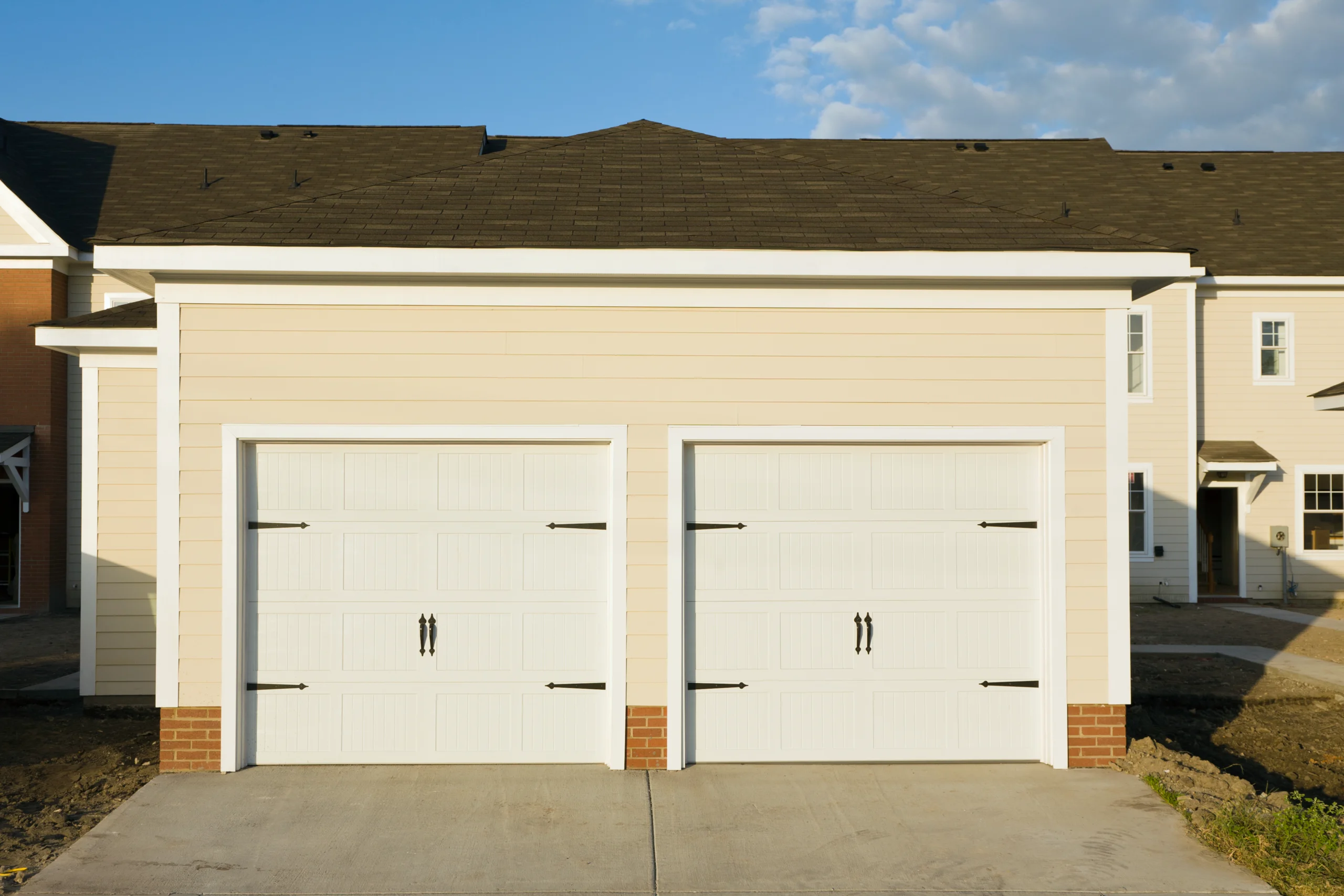
Maybe your door is beyond a simple repair, or perhaps you’re just tired of looking at that dented, drafty eyesore. A new installation isn’t just about function; it’s a serious upgrade for your home’s curb appeal and energy efficiency. It’s one of the best return-on-investment projects you can do.
Choosing Your New Door: It’s Not Just About Looks
Walking into this, the options can be overwhelming. Steel, wood, aluminum, insulation values, window inserts… it’s a lot. IMO, your choice comes down to three things: durability, insulation, and style.
- Steel Doors: These are the workhorses. They’re durable, low-maintenance, and offer great security. The insulated varieties are fantastic for our New Jersey winters, helping to keep your garage (and the rooms above it) warmer.
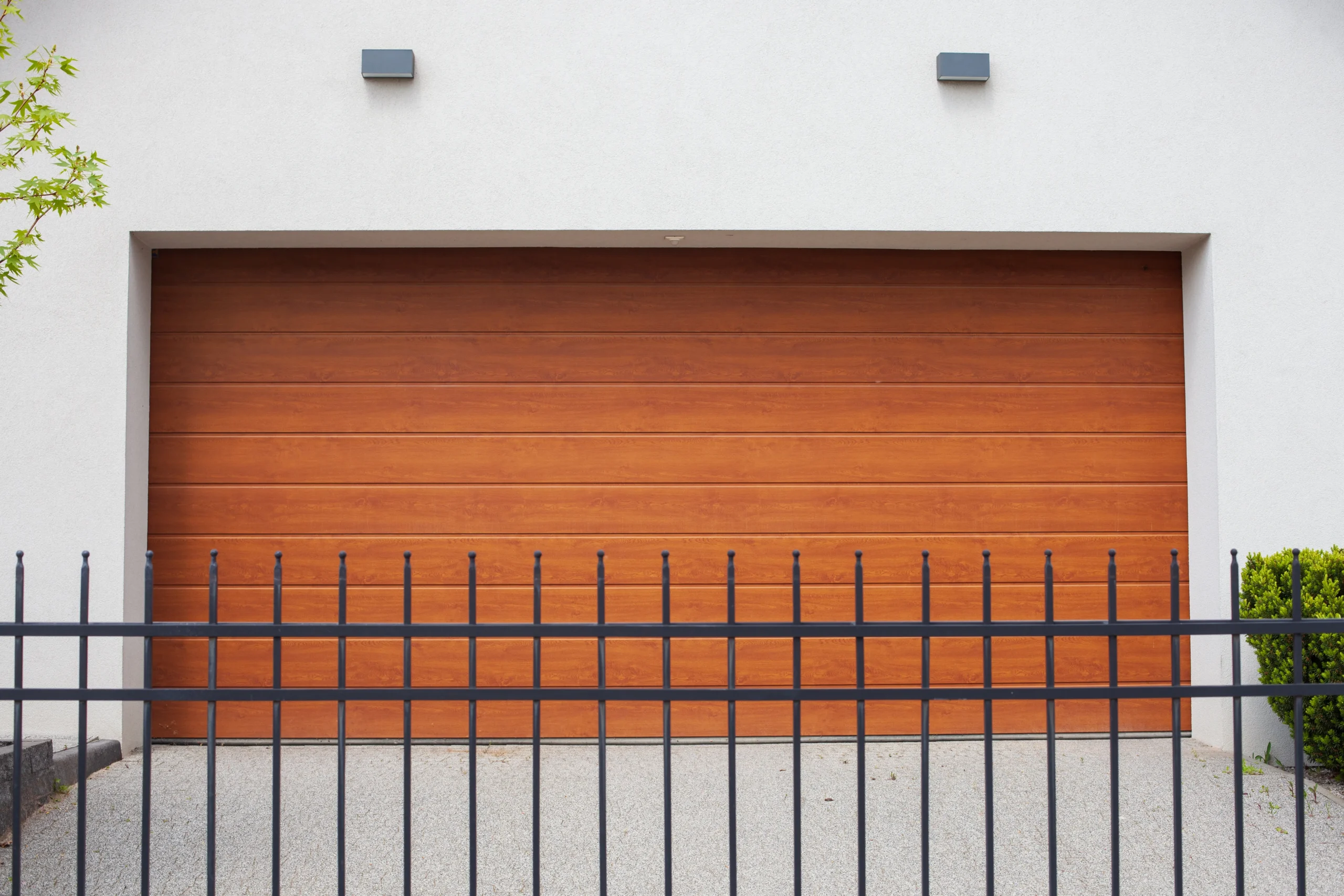
- Wood Doors: Absolutely beautiful and classic. They offer a custom, high-end look but require more maintenance like staining or painting to withstand the elements. They’re also typically at a higher price point.
- Aluminum & Glass: Modern, sleek, and great for letting in light. Perfect if your garage is a workshop or a hangout space, but they might not offer the same insulation as other types.
Here’s a quick comparison to help you visualize:
| Feature | Steel Door | Wood Door | Aluminum/Glass Door |
|---|---|---|---|
| Durability | Excellent, resists dents | Good, but can warp/rot | Good, but glass can break |
| Maintenance | Very Low | High (regular staining) | Low (clean glass/tracks) |
| Insulation | Excellent (if insulated) | Good | Poor to Fair |
| Style & Curb Appeal | Clean, many styles | Classic, high-end | Modern, contemporary |
| Typical Cost | Mid-Range | High-End | Mid to High-Range |
Why Professional Installation is Non-Negotiable
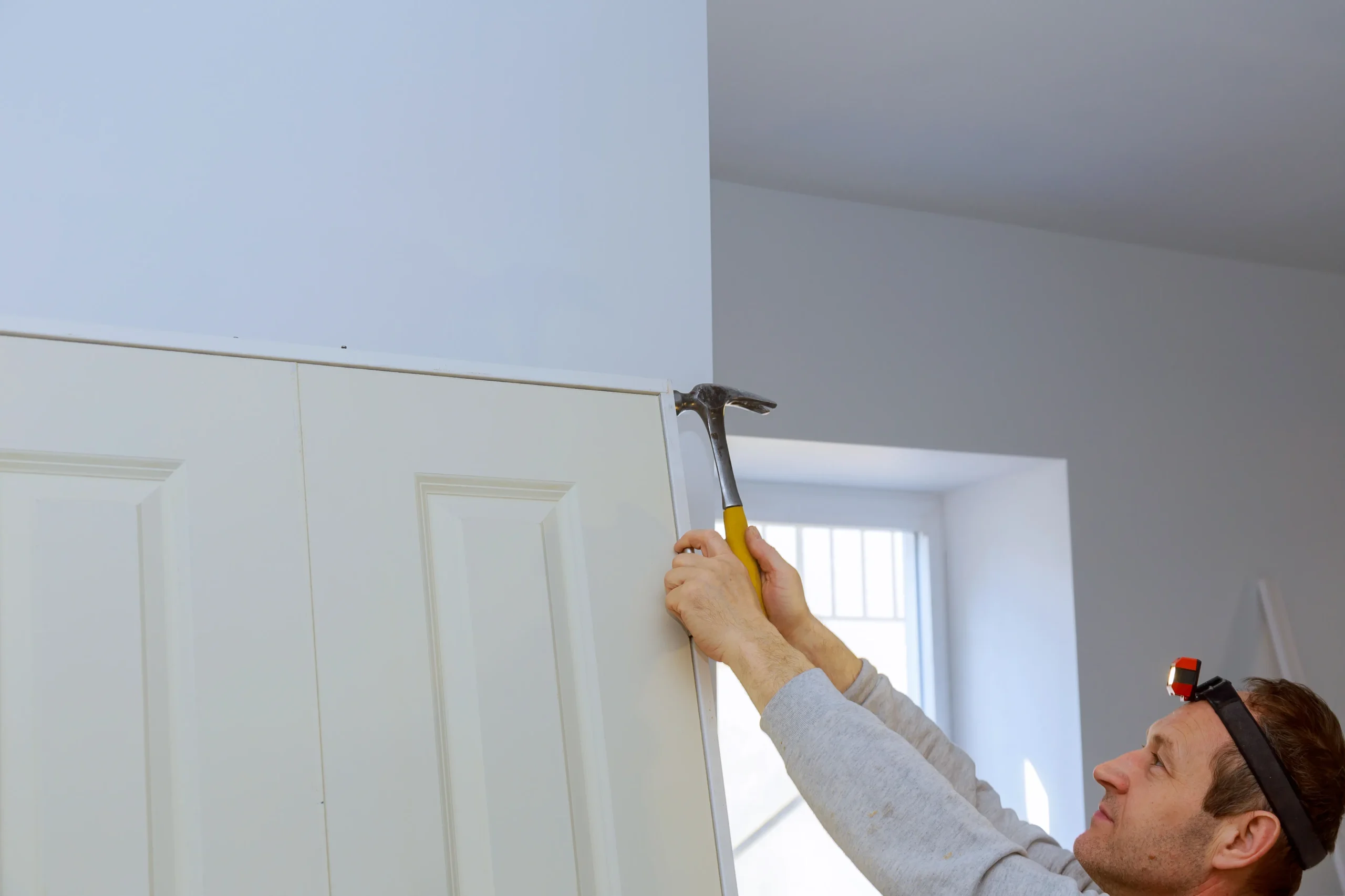
We get it. The allure of saving money is strong. But installing a garage door is a complex ballet of heavy components, high-tension springs, and precise alignment. One misstep and you’ve got a dangerous, malfunctioning unit. A professional installation from a company like Best Garage Door ensures:
- Safety: Proper handling of springs and correct electrical wiring for the opener.
- Speed: We get it done fast and correctly the first time.
- Warranty Protection: Most manufacturer warranties require professional installation to be valid.
The Magic of Regular Maintenance (Yes, Really)
Okay, “magic” might be overselling it, but hear us out. A little preventative care is the secret to avoiding 90% of those frantic repair calls. It’s the difference between a predictable cost and a shocking emergency bill.
Your Quick & Easy Maintenance Checklist
Set a reminder on your phone to do this twice a year—maybe when you change your clocks. It takes 15 minutes and saves you a world of hassle.
- Visual Inspection: Look at those springs for gaps or rust. Check the cables for fraying. Examine the track for dents or bends.
- Listen Up: Open and close the door. Does it sound smooth, or is it grinding and shrieking? Your ears are great diagnostic tools.
- Test the Balance: Disconnect the opener (pull the release handle) and manually lift the door halfway. If it doesn’t stay put, the spring balance is off. That’s a job for us.
- Clean & Lubricate: Wipe down the photo-eye sensors. Lubricate the moving parts—rollers, hinges, and the spring (with a specific garage door spray lubricant, not WD-40). A dry door is a noisy, unhappy door.
- Safety Reversal Test: Place a block of wood on the floor where the door closes. Close the door. It should reverse immediately upon hitting the block. If it doesn’t, your safety features are disabled. That’s a big deal.
Doing this simple routine can dramatically extend the life of every component. It’s the easiest way to keep your system running smoothly for years.
Why Your Local New Jersey Company is Your Best Bet
When you search for “garage door repair near me” or “nearest garage door company,” you’ll get a million results. So why choose a local team? Well, because garage doors in Edison face the same weather as doors in Woodbridge, Franklin Township, Rahway, and Clark. We understand the local challenges—the humidity, the salt air, the temperature swings.
Choosing a local business like Best Garage Door means you get:
- Fast, Reliable Service: We’re nearby, so our response times are quick. No one wants to wait days for a repair.
- Local Knowledge: We know what works and what doesn’t for homes in our area.
- Community Accountability: We’re your neighbors. We rely on your satisfaction and your referrals, so we’re going to do the job right.
Whether you’re in Edison needing a fast spring replacement or in Franklin Township considering a full new installation, having a trusted local expert is priceless. You get a real person on the phone, a technician who shows up on time, and a relationship you can count on.
Your Top Garage Door Questions, Answered
Let’s tackle some of the most common questions we hear every single day.
1. “My garage door won’t close all the way, then it reverses. What’s wrong?”
This is almost always your safety sensors. They’re located near the floor on either side of the door. Something is blocking the beam (a leaf, a toolbox, cobwebs), they’re misaligned, or they’ve gotten dirty. Give them a wipe and check alignment first. If that doesn’t work, it’s time for a professional check.
2. “How long should a garage door last?”
With proper maintenance, a good quality garage door system should last 15-20 years. The opener itself might need replacing sooner, around 10-15 years. The springs, depending on use, typically last 7-10 years (that’s about 10,000 open/close cycles).
3. “Can I just replace the garage door and keep my old opener?”
Sometimes, but we often don’t recommend it. If your opener is more than 10 years old, it likely lacks modern safety features and quiet technology. Installing a new, efficient door with an old, clunky opener is like putting a new engine in a car with bald tires. For optimal performance, safety, and convenience, pairing them together is the best move. FYI, newer openers are so much quieter—it’s a game-changer.
So, there you have it. From that heart-dropping moment of a broken door to the pride of a beautiful new installation, we’ve covered the journey. The key takeaway? Your garage door is a complex system that deserves respect and a little TLC. Listen to it, maintain it, and when it needs expert help, don’t gamble with the closest random number that pops up online.
Call a local team that will treat your home like their own. If you’re in our neck of the woods in New Jersey, give Best Garage Door a call. We’re here to help you keep things moving smoothly, safely, and without any unexpected drama. Now, go give those sensors a quick wipe, will you? 🙂