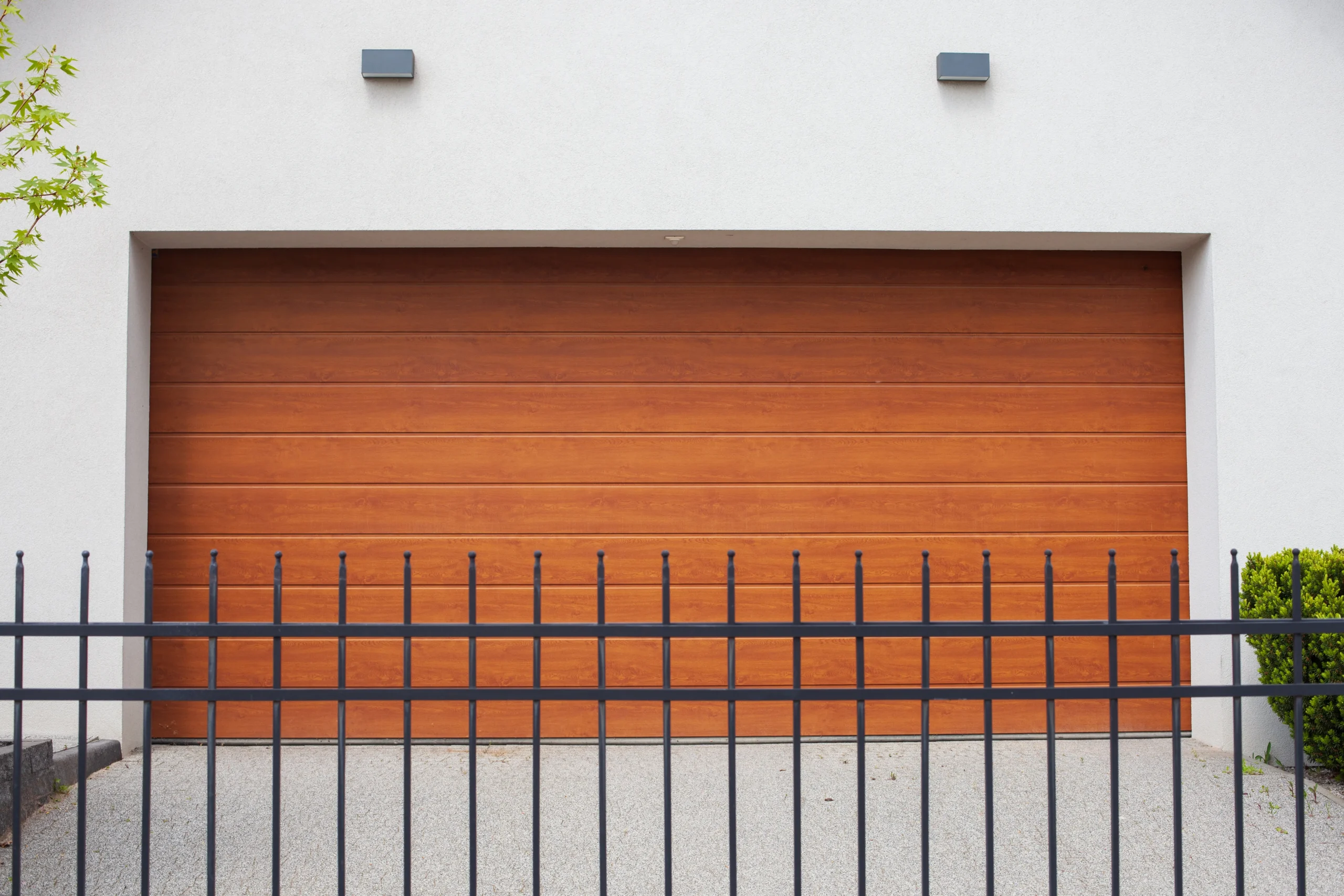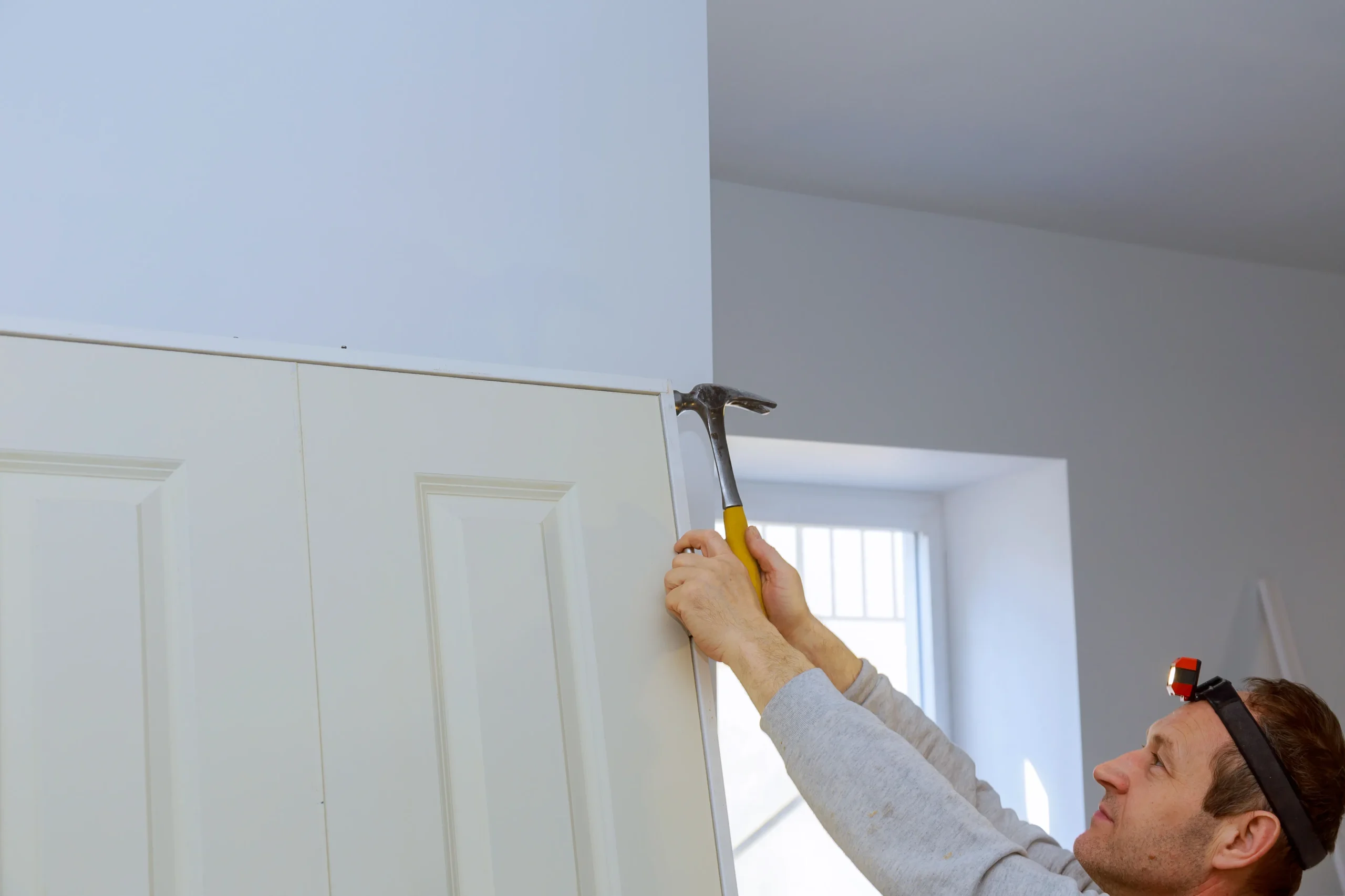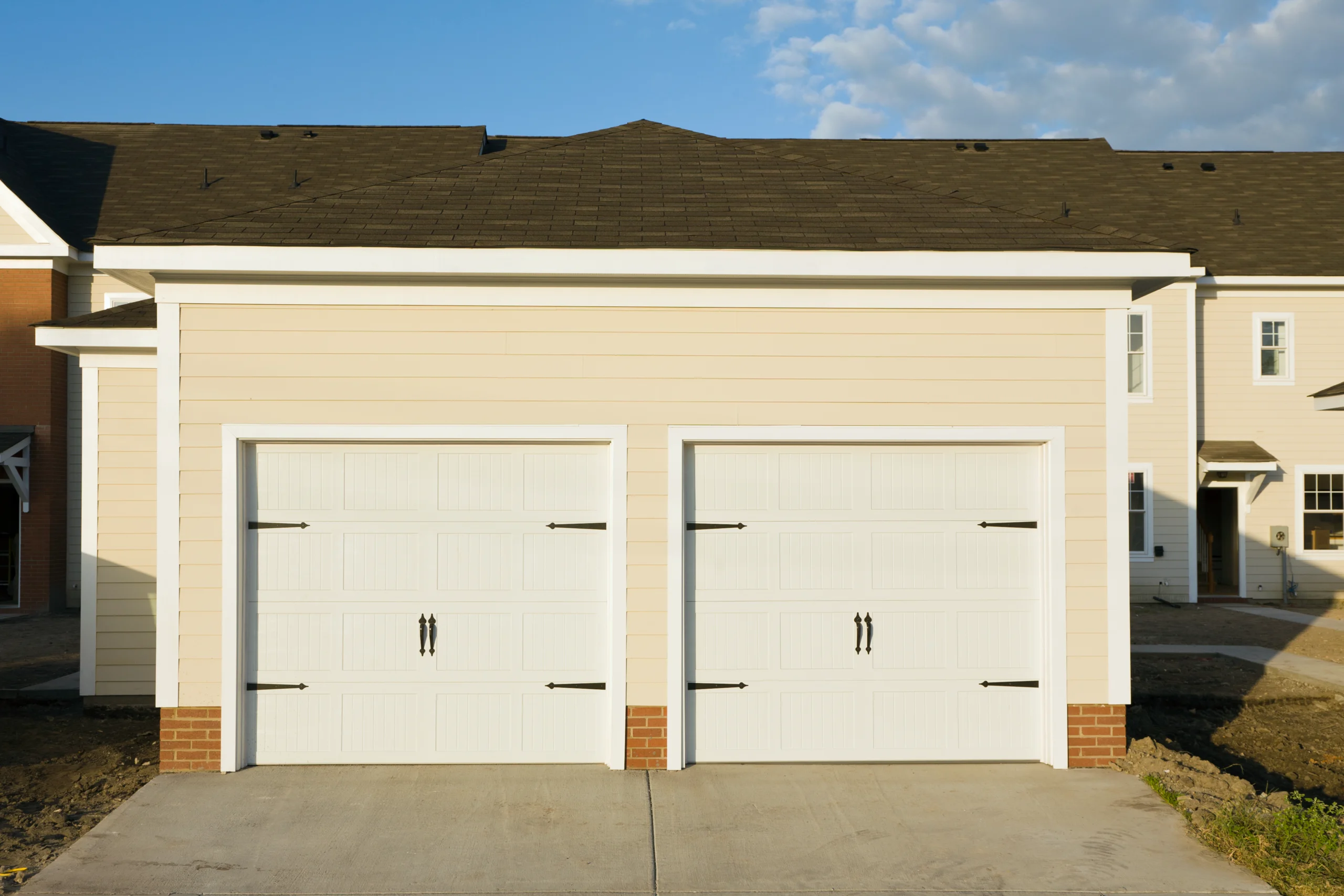


Ever have one of those moments where you’re sitting in your car, hitting the opener, and your garage door decides today is the day it wants to put on a dramatic, screeching performance worthy of a horror movie? We’ve all been there. It’s one of those household things we completely take for granted—until we can’t. Suddenly, you’re not just a homeowner; you’re an amateur diagnostician trying to figure out if that sound is a broken spring, a bent track, or a ghost that just really dislikes your car. Let’s talk about what’s really going on up there, how to keep it quiet (and safe), and what to do when things go south.
Getting to Know the Heavy Lifter in Your Home
Think about it: your garage door is likely the largest moving object in your house. It cycles up and down thousands of times a year, and it does this heavy lifting thanks to a surprisingly elegant system of components. When one part gets tired or fails, the whole operation grinds to a halt. Knowing the key players helps us understand the “why” behind the “what’s that noise?”
The Usual Suspects: Springs, Tracks, and Brains
- Springs: These are the true heroes, counterbalancing the immense weight of the door. There are two main types: torsion springs (mounted above the door) and extension springs (along the sides). They hold a tremendous amount of tension. We cannot stress this enough: spring repair is NOT a DIY project. A failed spring isn’t just an inconvenience; it’s dangerous.
- Tracks: These are the guiding rails on either side of the door. If they get bent, misaligned, or dirty, your door will start to wobble, stick, or sound like a train derailing. A lot of the time, a simple track realignment can solve what seems like a major problem.
- Opener & Sensors: This is the brain and nervous system. The motor does the pulling, but those little sensors near the floor are your number-one safety feature. They prevent the door from closing if something—or someone—is in the way. If your door reverses for no reason, you’re probably looking at a sensor alignment issue.
The Trifecta: Repair, Installation, and the Magic of Maintenance
So, your door has declared a work stoppage. What now? Well, it typically falls into one of three buckets: a quick repair, a full replacement, or the glorious world of preventative care.
When Disaster Strikes: The Repair Game
Something’s broken. It’s loud, it’s stuck, or it’s just…off. The first question everyone has is, naturally, about cost. IMO, getting a clear, upfront price is non-negotiable. The price for a repair can vary wildly depending on the part. Replacing a single broken spring is a different ballpark than fixing a badly damaged track.
Here’s a pro-tip from our years at Best Garage Door in New Jersey: always ask if the price quoted includes the service call and labor. Some companies lure you in with a cheap part cost, then hit you with hefty fees later. We’ve made it our policy to provide transparent, upfront quotes because nobody likes bill shock.
The Big Upgrade: New Garage Doors Installation
Maybe your door is beyond a simple fix, or perhaps it’s older than your favorite vintage band tee and just as drafty. Installing new garage doors is a fantastic way to boost your home’s curb appeal and energy efficiency. But how do you choose?
Let’s break down a common comparison: insulated vs. non-insulated doors.
Insulated Garage Doors:
- Great for: Attached garages, homes in New Jersey with real winters and summers, anyone using the garage as a workspace.
- Benefits: Regulates temperature, reduces noise, often stronger.
- Our Take: For most folks in Edison, Woodbridge, and Franklin Township, insulation is a smart investment. It makes the space more usable year-round and can even help with the energy bills on the house itself.
Non-Insulated Garage Doors:
- Great for: Detached garages used only for storage, very tight budgets.
- Benefits: Lower upfront cost.
- The Catch: They can feel flimsy, offer zero climate control, and might dent more easily.
The Secret Most People Ignore: Scheduled Maintenance
Okay, let’s be honest. When was the last time you gave your garage door a tune-up? Ever? Yeah, we thought so. It’s the most overlooked task on the home checklist, but a little maintenance is what keeps you from facing a catastrophic, fast-needed repair at 7 AM on a Monday.
A proper maintenance check involves lubricating moving parts, testing the auto-reverse sensors, checking cable tension, and inspecting springs for wear. Doing this bi-annually can add years to your system’s life. It’s the difference between a predictable cost and a surprise budget-buster.
Your Local Lifeline: Why “Near Me” Matters More Than You Think
When your door is stuck open and rain is forecasted, or it’s shut with your car inside, you’re going to search for the nearest garage door company. And that’s smart! But let’s talk about why choosing a truly local company, like us here at Best Garage Door, is a game-changer.
Speed and Familiarity
A company based in Clark or Rahway understands the neighborhoods. They know the common issues with homes in our area and, more importantly, they can get to you fast. There’s no waiting for a technician to drive from two counties over. When you need help, having someone nearby is a massive relief.
Community Accountability
A local business lives and dies by its reputation in the community. We’re your neighbors. We’re far more likely to go the extra mile to ensure you’re happy because we’re not some faceless national franchise. We see our customers at the supermarket. That personal connection matters for trust and quality.
Knowledge of Local Logistics
From the permit nuances in Franklin Township to the common architectural styles in Edison, a local team has seen it all. This means we can often diagnose problems more quickly and source the right parts without delay. We know what works best for homes right here in central New Jersey.
Navigating Costs and Making the Smart Call
Let’s demystify some pricing. Here’s a basic table to give you a frame of reference for common services. Remember, these are estimates—the final price always depends on your specific door and situation.
| Service | Typical Cost Range (Parts & Labor) | What’s Included & Notes |
|---|---|---|
| Spring Replacement (Pair) | $350 – $600 | The most common major repair. Always replace both springs, even if one breaks. Includes high-cycle springs & professional installation. |
| Track Repair/Realignment | $150 – $300 | Straightening or section replacement of bent tracks. Crucial for smooth operation. |
| Sensor Repair | $100 – $200 | Realigning safety sensors or replacing faulty units. A safety must-fix. |
| Full Tune-Up Maintenance | $100 – $200 | Lubrication, balance test, safety checks, bolt tightening. The best money you can spend. |
| New Garage Door Installation | $1,200 – $4,500+ | Wide range based on material, insulation, windows, and opener quality. Includes removal of old door. |
When to Pick Up the Phone
Hear a loud bang? Door is crooked? It reverses immediately when trying to close? These are your signs to stop using it and call a pro. Trying to force it or fiddle with springs yourself is how people get seriously hurt. FYI, that’s not us being dramatic; it’s just fact.
And when you do call, here’s our advice: choose the closest reputable company that offers transparent pricing. Ask questions. A good company will explain the problem clearly and give you options. That’s the philosophy we’ve built Best Garage Door on—no jargon, no pressure, just honest solutions for your home.
Your Garage Door Questions, Answered
1. My door is making a grinding/scraping noise. What’s wrong?
This is almost always a track issue. Something is likely misaligned, or the rollers are trying to jump over a bent section. It could also be worn-out rollers. Continuing to run it can cause worse damage. A technician can usually pinpoint and fix this relatively quickly.
2. How long should a garage door last?
With proper maintenance, the door itself (the sections) can last 30+ years. The opener averages 10-15 years. The springs, being the workhorses, will need replacement every 7-15 years depending on cycle count. Neglect speeds up the clock on everything.
3. Can I just replace the door and keep my old opener?
You can, but we often don’t recommend it. If your opener is more than 10 years old, it likely lacks modern safety features and quiet technology. Installing a new, efficient door with an old, clunky opener is like putting a sports car body on a lawnmower engine. For the full benefit and safety, upgrading both together is the smart play.
So, there you have it. Your garage door doesn’t have to be a mysterious, noisy beast. A little knowledge and the right local partner can keep it running smoothly for years. Listen to it, give it a little TLC with routine maintenance, and know when to call in the pros. And if you’re in our neck of the woods in New Jersey—from Edison to Woodbridge and the nearby towns—remember that Best Garage Door is always here for a friendly chat, a clear quote, and a fast fix. Because at the end of the day, we just want you to be able to get your car in and out without a dramatic soundtrack 🙂 Give us a call sometime!