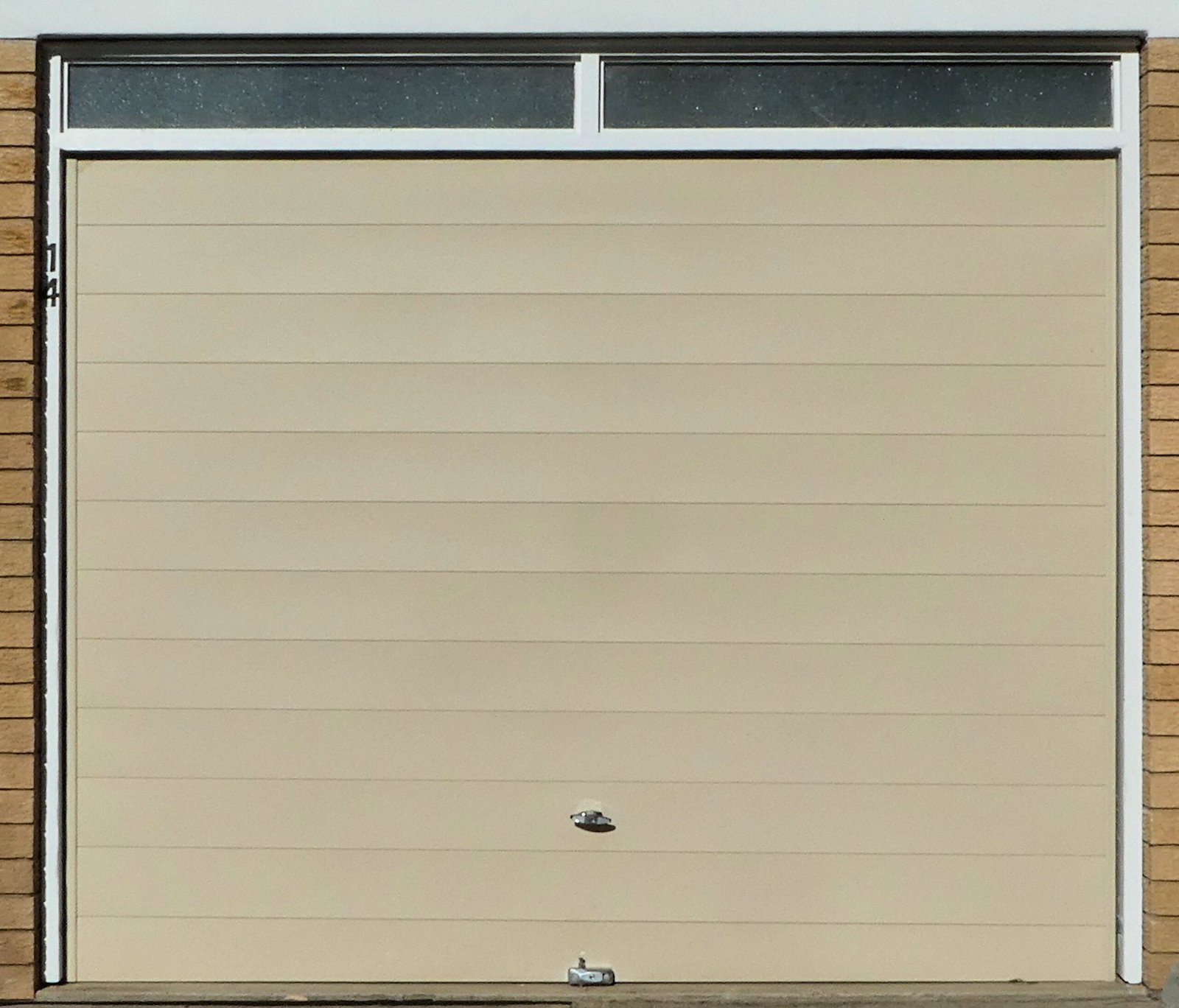

Let’s be honest, we don’t think about our garage doors until they start thinking for themselves. You know the drill—that ominous grinding noise, the hesitant shudder on a cold morning, or the grand finale of it just refusing to budge. Suddenly, the thing you open and close twice a day becomes the most complicated piece of machinery in your home. If you’re in New Jersey, from the brownstones of Jersey City to the quiet streets of Nutley, you know our weather alone gives these doors a serious workout. So, let’s have a real talk about what makes them tick, what makes them stop ticking, and how to keep the peace without losing your mind (or your wallet).
The Heart of the Matter: It’s Usually the Springs (Sorry)
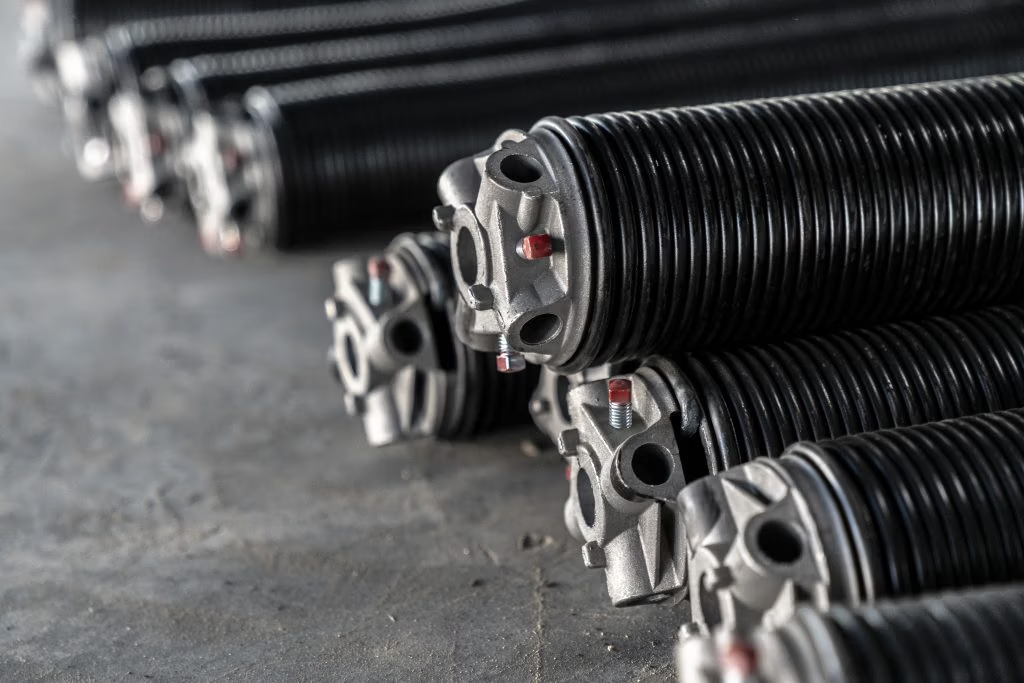
We’ll cut to the chase. When a garage door fails, the torsion or extension springs are the usual suspects about 70% of the time. These are the heavy-duty coils above your door or along the sides that do all the heavy lifting. Literally. Your opener just provides a gentle nudge; the springs hold the actual weight.
Now, here’s our not-so-fun public service announcement: Spring repair is absolutely, 100% a job for the pros. We’re talking about components under extreme tension that can cause serious injury if handled incorrectly. This isn’t a “watch a YouTube tutorial and grab a coffee” kind of Saturday project. It’s a “call your nearest trusted garage door company” situation. At Best Garage Door, we treat every spring replacement with a healthy respect for the physics involved—because we like all our fingers right where they are.
Beyond the Springs: The Usual Suspects in Garage Door Drama
Springs might be the headline act, but the supporting cast can cause plenty of drama. Let’s walk through the other common issues:
- The Track: This is the guided path your door rides on. If it gets bent, misaligned, or dirty, your door will protest. You’ll hear scraping, see jerky movements, or notice gaps. A minor track adjustment can often solve a major headache.
- The Sensors: Those little eyes at the bottom of your door are safety reversers. If they’re misaligned, dirty, or blocked, your door will stubbornly reverse or refuse to close. It’s frustrating, but it’s also your door being safely paranoid. A quick clean and realignment often does the trick.
- The Opener Itself: Motors wear out, gears strip, and remotes lose their mojo. Sometimes the fix is simple, like reprogramming a remote. Other times, it’s an upgrade call.
So, when is it a repair, and when do you need a full installation? IMO, it comes down to age, damage, and efficiency. If your single-panel door from the 80s is dented, rusty, and leaks more air than a sieve, pouring money into repeated repairs is like putting premium tires on a car with a blown engine. A new, insulated sectional door might have a higher upfront cost, but the energy savings, security, and reliability often justify the price.
Your Local Guide: Navigating Service in North Jersey
Living in our corner of New Jersey means your nearest expert might be in a different town than your buddy’s. The good news? A quality service company covers a wide area. Whether you’re in the hustle of Newark, the views of Hoboken, or the suburbs of Bloomfield, you deserve fast and reliable service.
Let’s break down a typical service call with a handy table. This isn’t just a guess—it’s based on what we see every day at Best Garage Door.
| The Symptom | The Likely Culprit | What We Typically Do | Why You Shouldn’t Ignore It |
|---|---|---|---|
| Door won’t open/close, opener hums | Broken Spring(s) | Replace the failed spring(s) with matched, high-cycle springs. We always recommend replacing both, even if only one is broken. | The opener motor will burn out trying to lift the dead weight, leading to a much more expensive fix. |
| Door is crooked or jerky when moving | Misaligned or Damaged Track | Inspect, realign, and lubricate the track. For significant bends, we’ll recommend track section replacement. | This causes uneven wear on rollers and other parts, leading to a complete failure. It’s also a safety risk. |
| Door reverses immediately when closing | Obstructed or Misaligned Safety Sensors | Clean sensor lenses, check alignment, and ensure nothing is blocking the beam. We’ll also check wiring. | It defeats the safety feature. People often try to “force” it, which is dangerous and can damage the opener. |
| Loud grinding or squeaking noises | Lack of Lubrication or Worn Rollers | Apply specialized garage door lubricant to hinges, rollers, and springs. Inspect and replace nylon or steel rollers if worn. | The noise is annoying, but the friction causes premature wear on every moving part. |
Why “Near Me” Searches Are Just the Start
We get it. When something breaks, you grab your phone and search “garage door repair near me” or “closest garage door company.” That’s a smart first move to find local options. But here’s the pro tip: dig one click deeper. Look for consistent, positive reviews specifically about reliability and transparency on price. Anyone can show up; the best companies diagnose correctly, communicate clearly, and don’t play hide-and-seek with the estimate.
For instance, when folks in Secaucus or North Bergen call us at Best Garage Door, we give them a clear, upfront cost before we turn a single wrench. No one likes bill shock, especially for an unexpected repair. We believe in fixing the problem, not creating a new financial one.
The Unsexy Hero: Routine Maintenance
Okay, let’s talk about the least exciting but most cost-effective part of garage door ownership: maintenance. Think of it like an oil change for your car. A little attention twice a year can save you a massive repair bill.
Here’s a quick checklist you can do yourself:
- Listen and Look: Open and close the door. Does it sound smooth or like a metal dinosaur in pain? Is the movement even?
- Lubricate: Use a silicone-based or lithium-based spray on hinges, rollers, and the spring (carefully!). Avoid WD-40 for long-term lubrication; it’s better for cleaning.
- Test the Safety Features: Place a roll of paper towels under the door and try to close it. The door should reverse immediately upon contact. If it doesn’t, those sensors need attention, pronto.
- Tighten Up: Check and tighten any loose bolts on brackets, but leave the spring bolts to the professionals. Seriously.
Doing this simple routine can make your entire system last years longer. FYI, we offer a professional maintenance tune-up that catches the things the average homeowner might miss—it’s one of the smartest investments you can make for your door.
Wrapping It Up: Your Door, Your Peace of Mind
At the end of the day, your garage door is a major entry point and a big, moving piece of your home. It shouldn’t be a source of stress. Whether you’re facing a sudden breakdown in Jersey City or planning a sleek new installation in Hoboken, the philosophy is the same: understand the basics, choose quality parts, and work with a local team that values clear communication as much as technical skill.
We built Best Garage Door on that simple idea. We’re your neighbors, and we want your door to work so well you forget we were ever there. Until you need us again, of course 🙂
Got a door that’s acting more temperamental than a reality TV star? Or just have a question about a weird noise? Give us a shout. Let’s get it sorted.
You Asked, We’re Answering: Quick Fire FAQs
1. “My door is making a loud noise. Is this an emergency?”
It depends on the noise. A sudden, loud BANG usually indicates a broken spring. In this case, stop using the door immediately and call for service. The door is now dangerously unbalanced. A persistent grinding or squeaking is less urgent but signals needed maintenance—schedule a service soon to avoid a bigger problem.
2. “How often should I really replace my garage door?”
A well-maintained door can last 15-30 years. Consider replacement if: repairs are becoming frequent/expensive, panels are dented or rusting through, it lacks modern safety features, or it’s incredibly inefficient (making your garage freezing or boiling). A new door offers better security, curb appeal, and insulation.
3. “Can I just install a new opener on my old door?”
Sometimes, but not always. A modern opener can work with an older door if the door itself is in good mechanical condition—springs balanced, track straight, rollers intact. An installer should always balance the door manually (disconnect the opener) first. If the door is heavy or unstable, a new opener will just struggle and fail prematurely. We always do a full assessment before recommending an opener install.